




Our Blog
-
 February 24, 2026
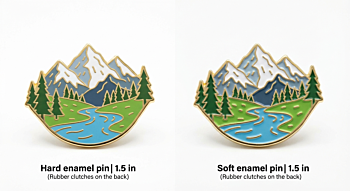
You've decided to order custom enamel pins. Smart move — they're one of the most versatile branding tools around, great for employee badges, event giveaways, merch lines, and brand promotion. But now you're facing the first real decision: hard enamel or soft enamel?
The names make it sound like one is just a tougher version of the other. It's not that simple. Hard and soft enamel pins are made through fundamentally different processes, and they look and feel distinctly different. We've produced both types for years, and the right choice depends entirely on how you plan to use them. Let's break it down.
How They're Made: Two Different Processes
Both hard and soft
-
 February 17, 2026
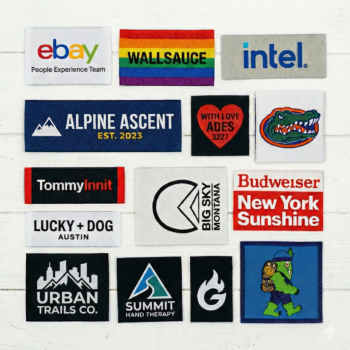
You just finished producing your first run of handmade bags. The stitching is tight, the materials are premium, and every detail is dialed in. But when a customer picks one up at a market, the first thing they flip to is the label — and right now, yours is a generic hang tag you printed at home. That single detail undercuts everything you built.
We see this all the time. Since 2008, our team at Custom Woven Labels has worked with thousands of brands — from solo makers launching on Etsy to mid-size apparel companies producing tens of thousands of units a season. The turning point for most of them was the same: investing in a proper custom woven label. This guide breaks down exactly what woven labels are, how they're made, what options matter, and how to order your first set — even if you only need five
-
 January 06, 2026
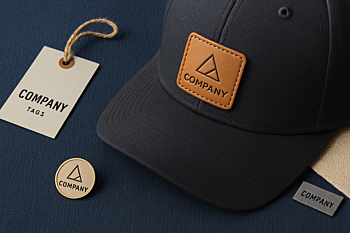
When we talk about branding that lasts, few things are as effective as leather hat patches. More than just decoration, they’re custom labels that signal quality, heritage, and thoughtful design. Businesses across industries are increasingly turning to leather patches, woven labels, hangtags, and even pins as part of their promotional merchandise strategy. And for good reason: they don’t just look good, they deliver measurable ROI.
The Enduring Appeal of Leather Hat Patches
We’ve seen how a simple baseball cap, when finished with a custom leather patch, transforms into a premium piece that people actually want to wear. That wearability is key. At trade shows, conferences, or client appreciation events, it’s not enough to hand out pens or tote bags that end up forgotten. Leather hat patches create a tactile, stylish impression
-
 December 22, 2025
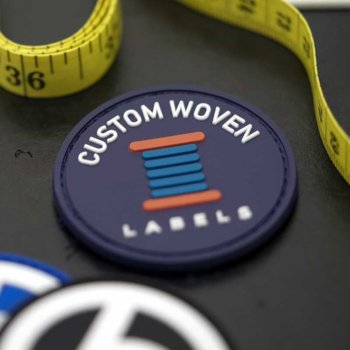
Ordering a custom PVC patch may seem straightforward at first, but many brands, teams, and organizations run into avoidable problems during the process. These mistakes can lead to wasted time, higher costs, and patches that do not match expectations. Whether you are ordering a custom PVC patch for uniforms, promotional items, or retail merchandise, understanding what can go wrong helps ensure a smooth experience and a final product you can be proud of.
Not Providing Clear Artwork Files
One of the biggest mistakes when ordering a custom PVC patch is submitting low quality or incomplete artwork. PVC patches rely on precise molds, and unclear designs can result in softened details, distorted shapes, or incorrect proportions.
Always provide vector files when possible, such as AI, EPS, or PDF formats. These files allow manufacturers to scale the design without losing detail. If you only have a raster image like a JPG or PNG, make sure it is high resolution and clearly shows every element of the design.
Another common issue is failing to outline fonts.
If text is part of your custom PVC patch, convert fonts to outlines before submitting the file. This ensures the lettering appears exactly as intended and avoids font substitution problems.
Overloading the Design With Fine Details
PVC patches are durable and versatile, but they are not ideal for extremely fine lines or tiny text. Many buyers attempt to include intricate artwork that looks great on screen but does not translate well into molded PVC.
Fine details can blur together during production, especially if the patch is small. To avoid this, simplify your design where possible. Thicker lines, bold shapes, and clear contrast between elements work best. Ask your manufacturer for minimum line thickness and spacing guidelines before finalizing the design.
Choosing the Wrong Patch Size
Size is a critical factor that is often overlooked. Ordering a patch that is too small can make the design difficult to read, while ordering one that is too large can make it impractical for the intended application.
Before placing your order, consider where the custom PVC patch will be used. Will it be attached to a hat, jacket, backpack, or tactical vest. Measure the available space and compare it to your design dimensions.
Request a digital proof or mockup showing the patch at actual size. This step helps you visualize how the patch will look once produced and prevents surprises when the order arrives.
Ignoring Backing Options
Another common mistake is selecting a backing option without understanding how the patch will be used. Custom PVC patches are available with several backing types, including sew on, hook and loop, adhesive, and magnetic options.
Choosing the wrong backing can limit how the patch is applied or reduce its lifespan. For example, adhesive backing may not hold up well in outdoor conditions, while sew on backing may not be practical for removable patches.
Think about the environment and usage before deciding. If the patch needs to be removable, hook and loop backing is often the best choice. For permanent attachment, sew on backing provides durability and security.
Assuming All Colors Will Match Perfectly
Color accuracy is another area where buyers make mistakes. Colors that look vibrant on a screen may appear different when molded into PVC material.
Provide specific color references whenever possible, such as Pantone color codes. This helps the manufacturer match your brand colors more accurately. Avoid vague descriptions like bright blue or dark red, as these leave room for interpretation.
Review color proofs carefully and ask questions if something looks off. Taking the time to confirm colors upfront can save you from disappointment later.
Skipping the Sample or Proof Approval Stage
Some buyers skip sample approval to save time or money, but this can be a costly mistake. Samples and proofs exist to catch issues before full production begins.
Always review the digital proof in detail. Check spelling, proportions, colors, and placement. If a physical sample is available, inspect it closely for texture, flexibility, and overall appearance.
Approving a sample ensures that your custom PVC patch meets expectations and reduces the risk of receiving a large batch with errors.
Underestimating Production and Lead Times
Many people assume custom PVC patches can be produced and delivered quickly. In reality, production involves mold creation, material processing, coloring, and quality checks.
Failing to account for lead times can result in missed deadlines, especially for events, product launches, or uniform rollouts. Ask for a realistic timeline that includes production and shipping. Build in extra time whenever possible. Rushing an order often leads to higher costs or compromised quality.
Ordering Without Understanding Minimum Order Quantities
Minimum order quantities can vary depending on the manufacturer and patch complexity. Some buyers place orders without confirming these requirements and are surprised by higher costs or forced quantity increases.
Clarify minimum order quantities early in the process. If you need a small run, look for suppliers that specialize in low quantity custom PVC patch orders. This approach helps control costs and avoids overstock.
Ordering a custom PVC patch does not have to be complicated, but small mistakes can have big consequences. By providing clear artwork, simplifying designs, choosing the right size and backing, and reviewing proofs carefully, you can avoid the most common pitfalls.
Planning ahead, communicating clearly, and prioritizing quality will help you receive custom PVC patches that meet your expectations and represent your brand effectively. With the right approach, your custom PVC patch order can be a smooth and successful experience from start to finish.
-
 November 03, 2025
At Custom Woven Labels, we know that custom letterman patches are more than just decorative accessories. Whether you are part of a sports team, a fashion brand, or simply want to personalize your favorite jacket, a letterman patch is the perfect way to make a statement. With so many styles, colors, and materials to choose from, it can be hard to decide where to start. To help you get inspired, we have gathered ten creative ideas for custom letterman patches that truly stand out.
1. Showcase Your Team Pride
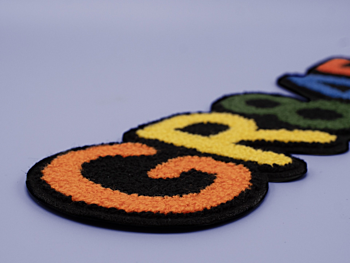
Few things represent school spirit or athletic achievement better than a letterman patch. Classic chenille patches are a popular choice for displaying team initials, mascots, or player numbers. You can take it a step further by incorporating textured embroidery or metallic threads to make the design pop. Many schools
-
 October 06, 2025
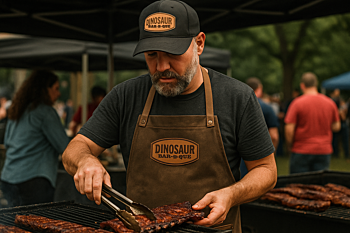
When it comes to corporate gifting, the difference between a forgettable item and a keepsake often comes down to the details. Businesses today are not just sending out gifts to tick a box: they’re investing in products that represent their brand’s identity and values. That’s where custom leather patches stand out. Adding this detail to hats, tote bags, notebooks, or other premium giveaways creates a high-quality impression that lasts.
Corporate gifting has always been about building relationships. Whether it’s clients, employees, or partners, the goal is to show appreciation while reinforcing your brand presence. In a landscape full of generic giveaways, the texture, durability, and prestige of leather patches elevate a gift into something more meaningful.
The Power of Custom Leather Patches in Corporate Gifts
-
 September 12, 2025
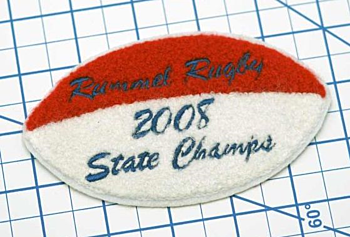
Custom chenille patches have long been associated with varsity jackets, team spirit, and a sense of belonging. The plush, textured look of chenille makes it stand out from other patch styles and offers a soft, eye-catching appeal that works for everything from classic letterman jackets to trendy hoodies and hats. Today, the popularity of chenille patches has grown beyond schools and sports teams, with brands, designers, and even hobbyists using them to create bold statements on clothing, accessories, and promotional items.
If you are considering adding chenille patches to your project, the process can feel overwhelming at first. From choosing the right design and colors to understanding production details, there are several steps to creating a patch that perfectly represents your vision.
Step 1: Start with Your Concept
The first step in creating a chenille patch is defining your